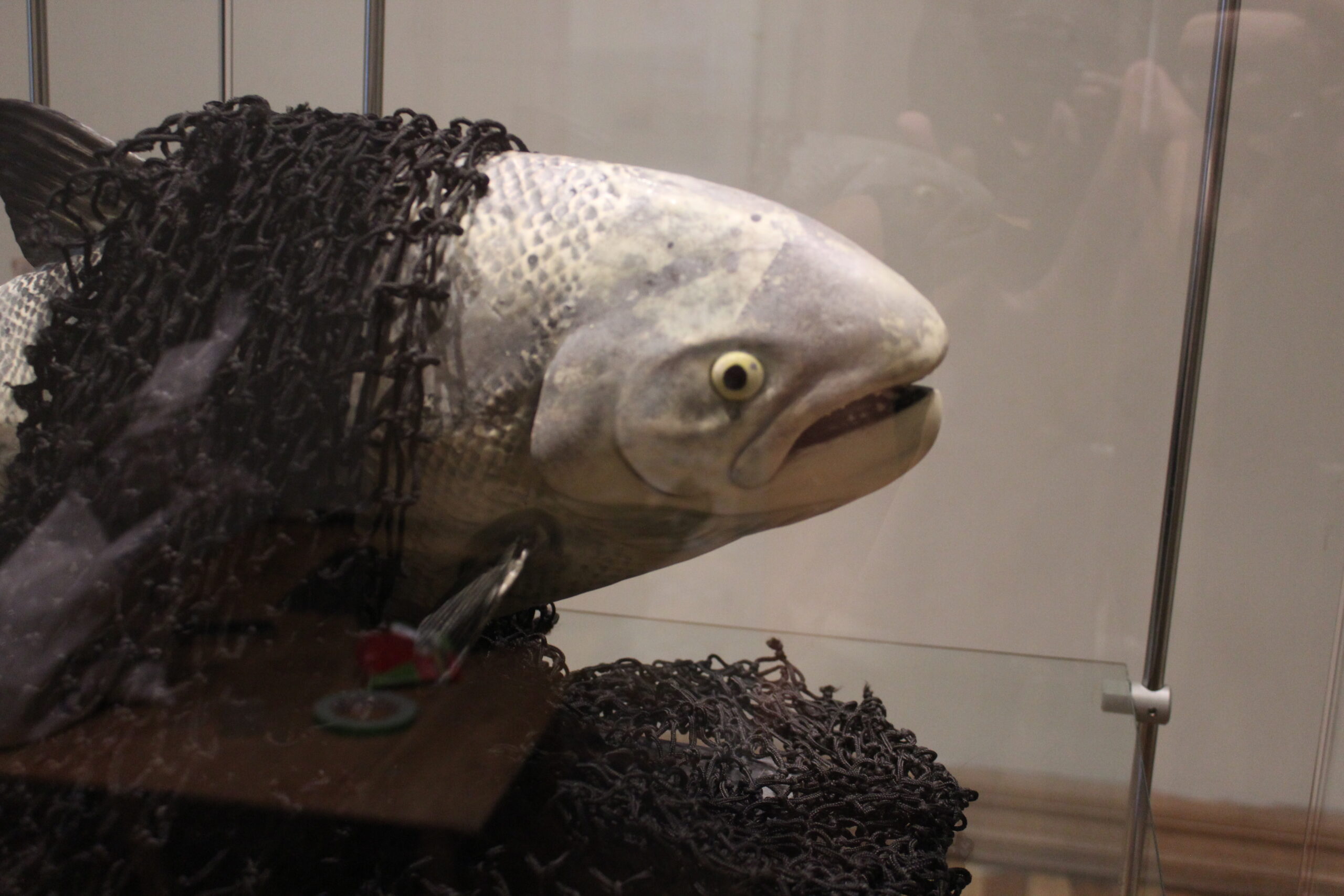
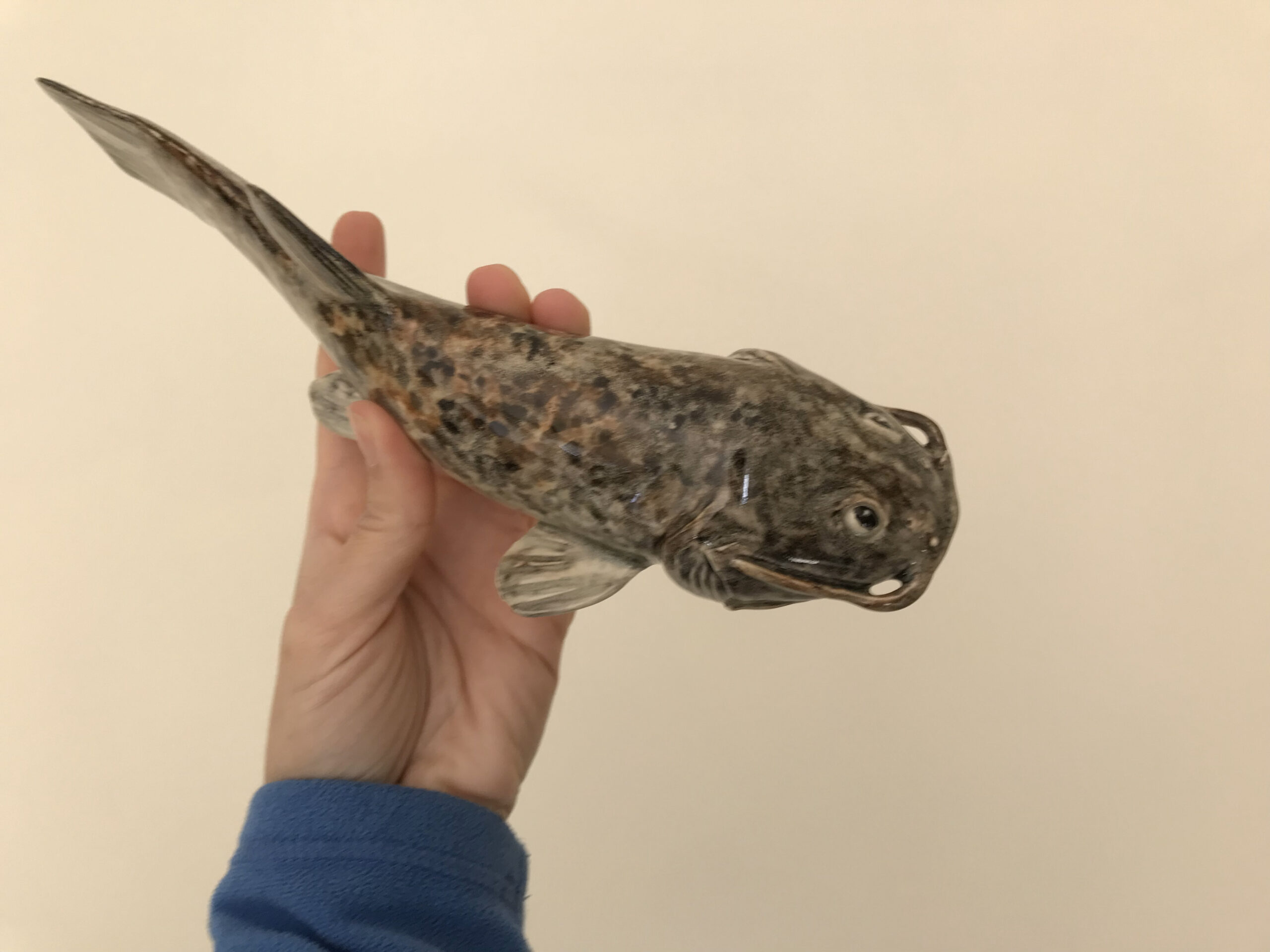
Across much of Chile, people’s relationship with rivers is woven through culture, subsistence, leisure, and tradition. It is also shaped by the native and introduced organisms that inhabit these waters, yet the imaginary surrounding river biodiversity is often blurred. Many people believe trout and salmon to be native species, revealing a limited awareness of the identity and origin of the organisms that inhabit these fragile and threatened ecosystems.
Identity can be understood as the set of characteristics that allow a being to be distinguished from others. In this sense, the first step toward reconnecting with the life of rivers—toward cultivating a fluvial identity and valuing their fauna—begins with the simple act of getting to know their inhabitants: identifying them, observing them, consulting the literature, and learning both what has been studied and what remains unknown.
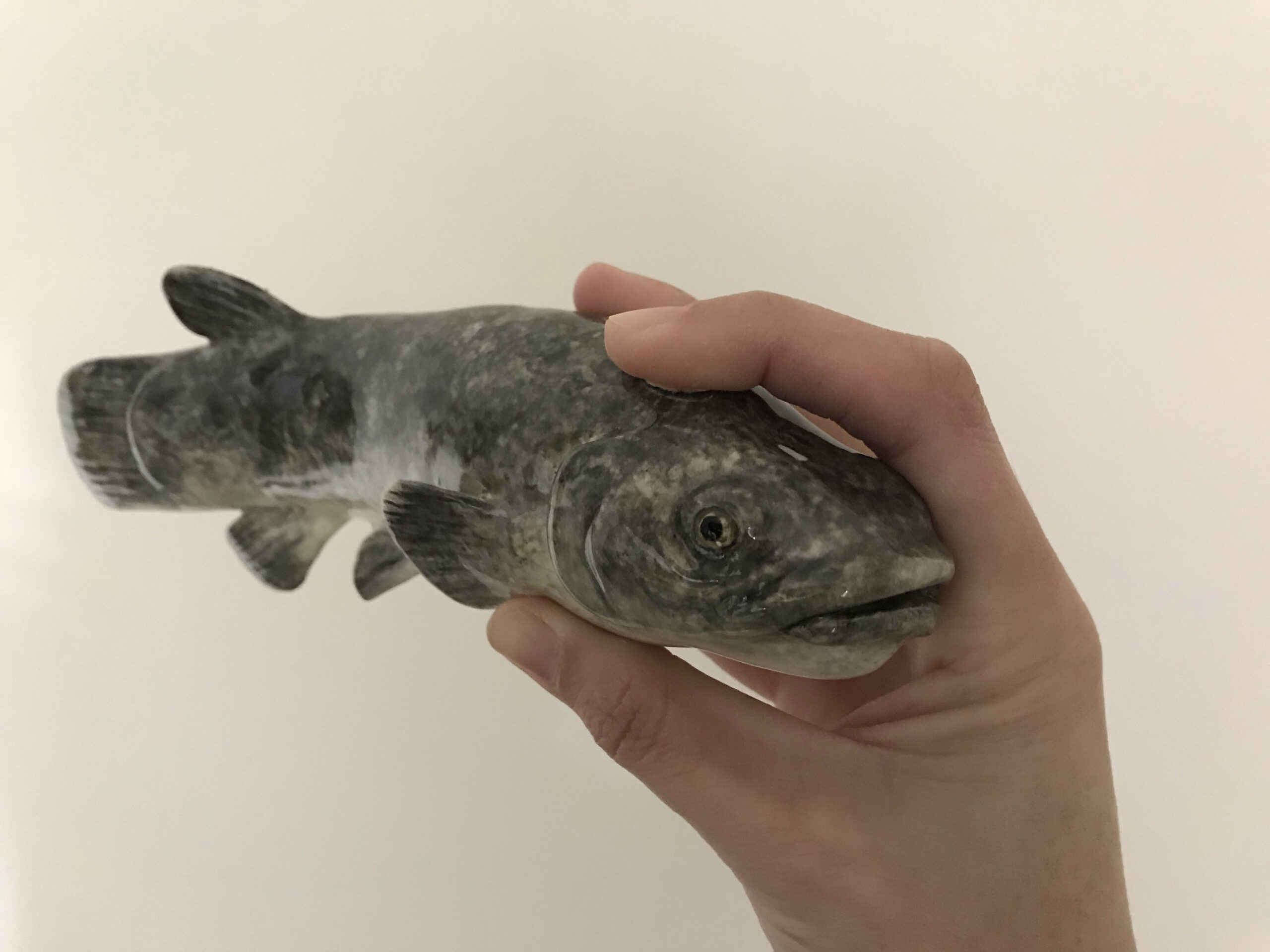
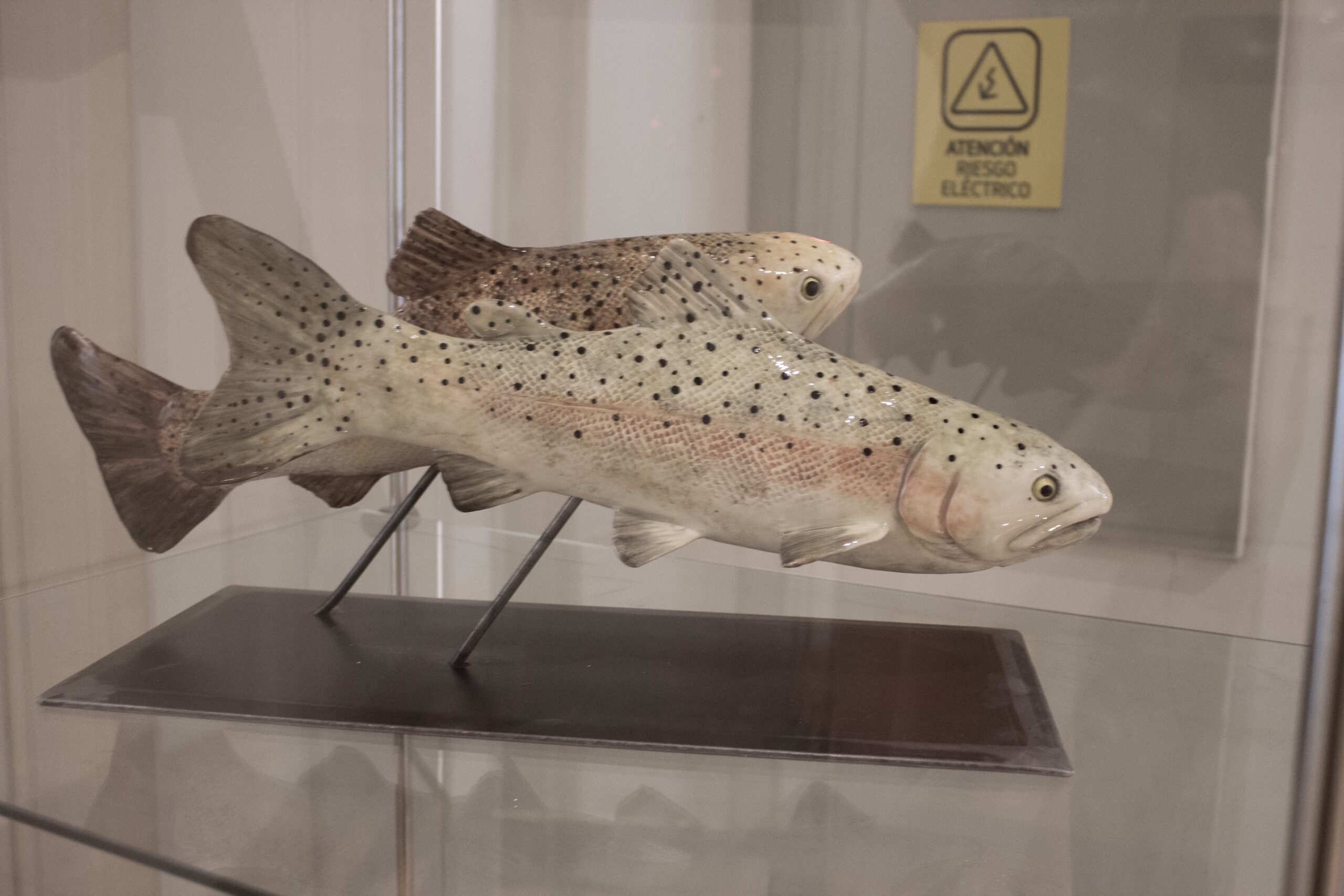
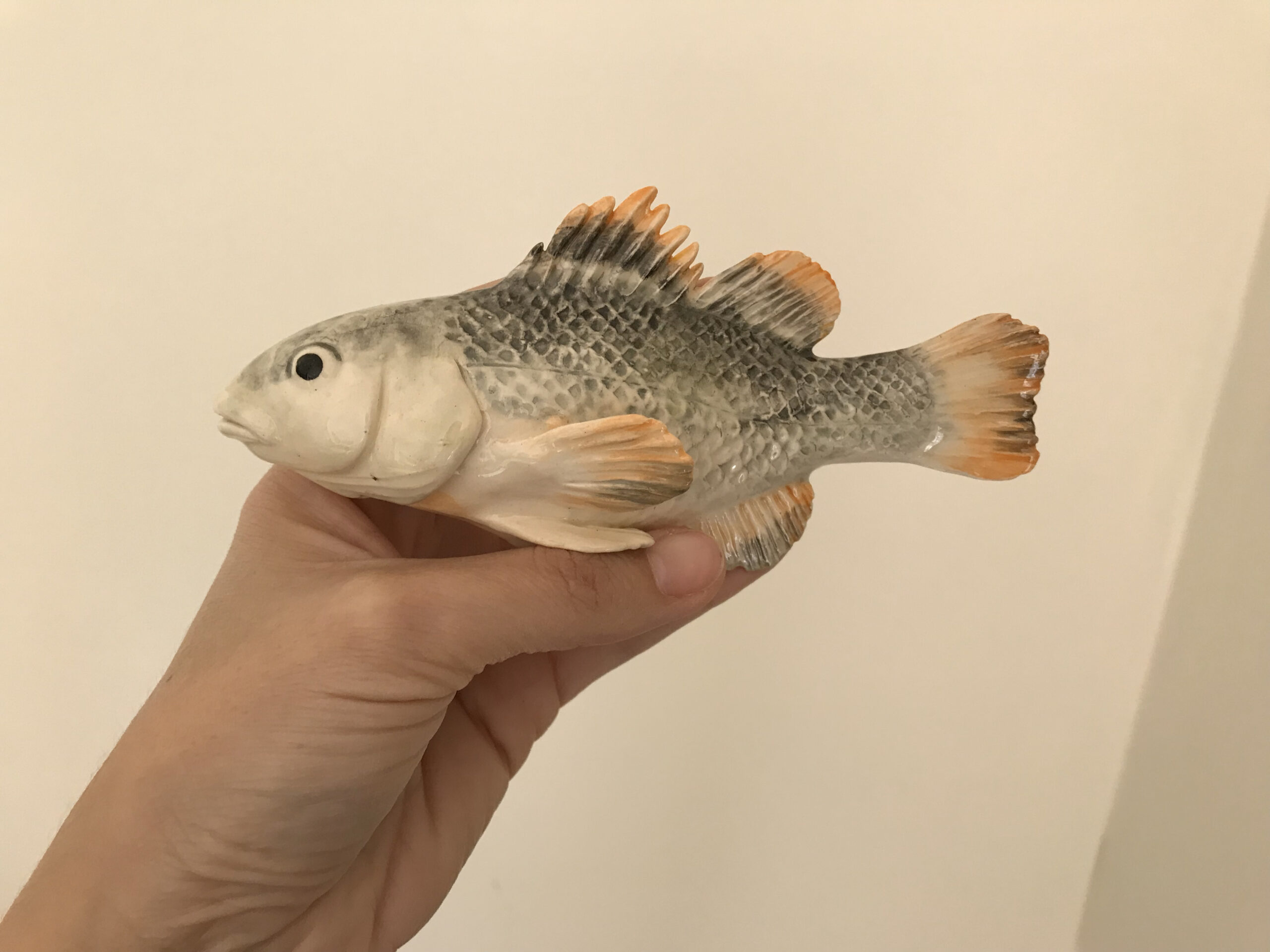
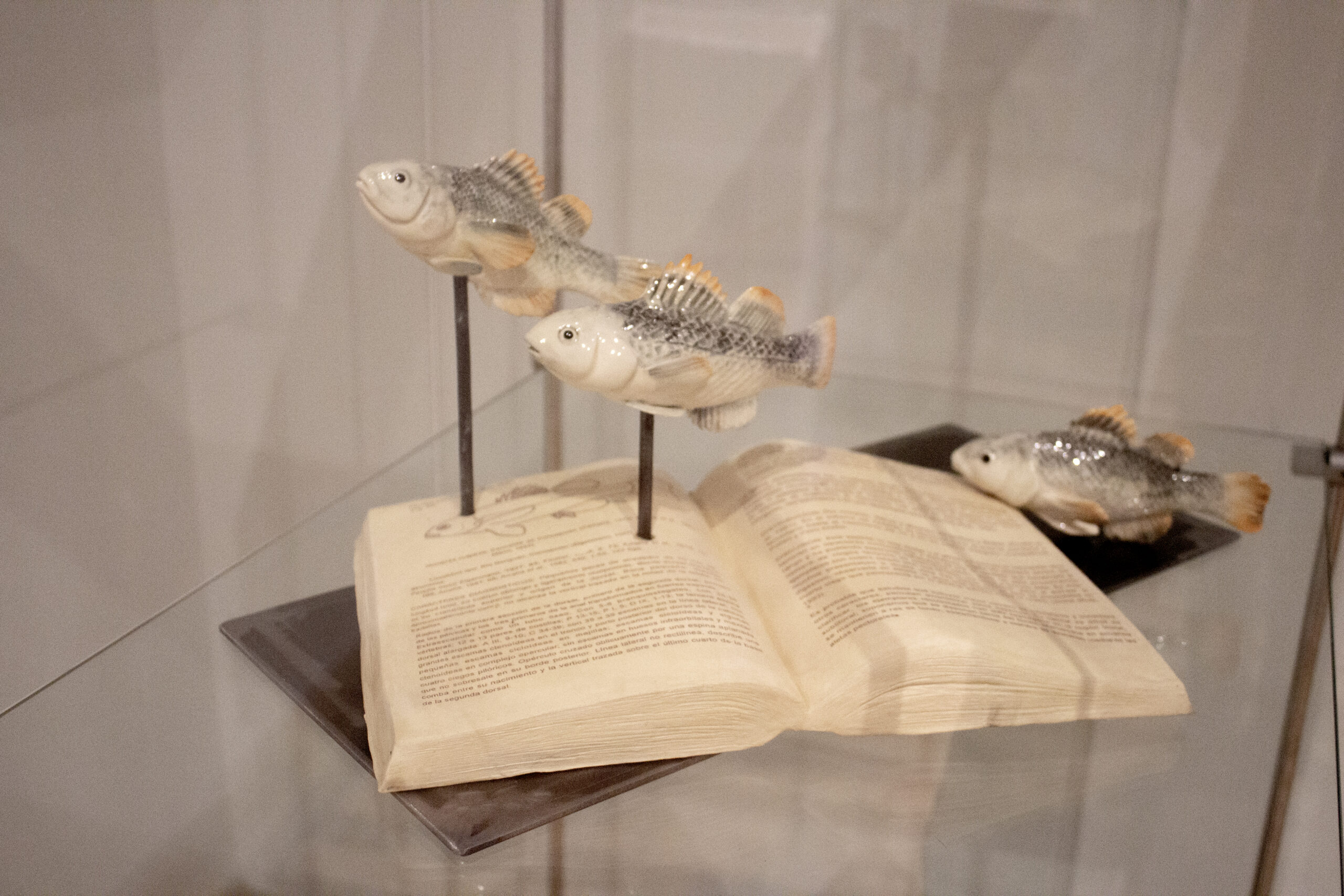
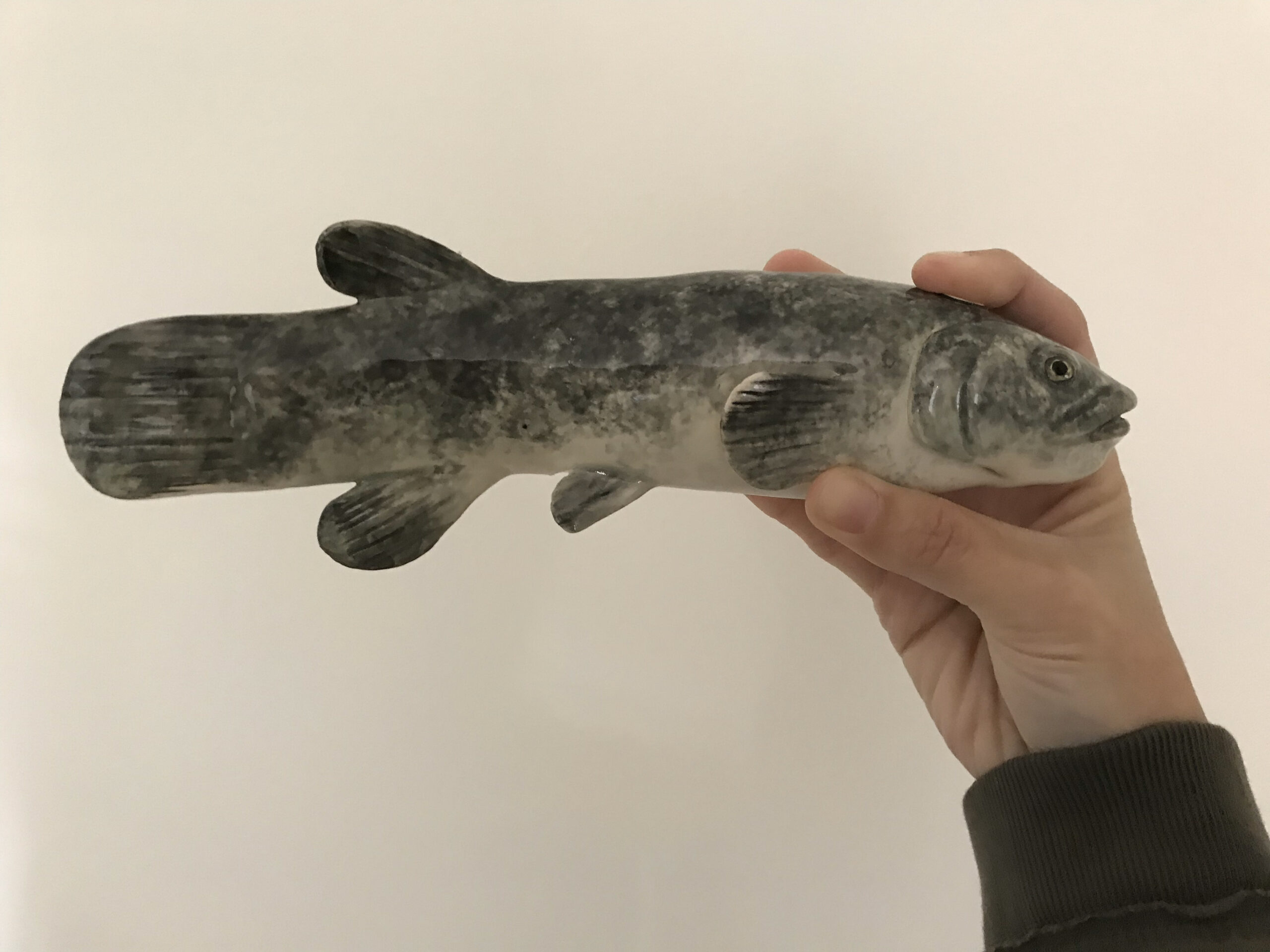
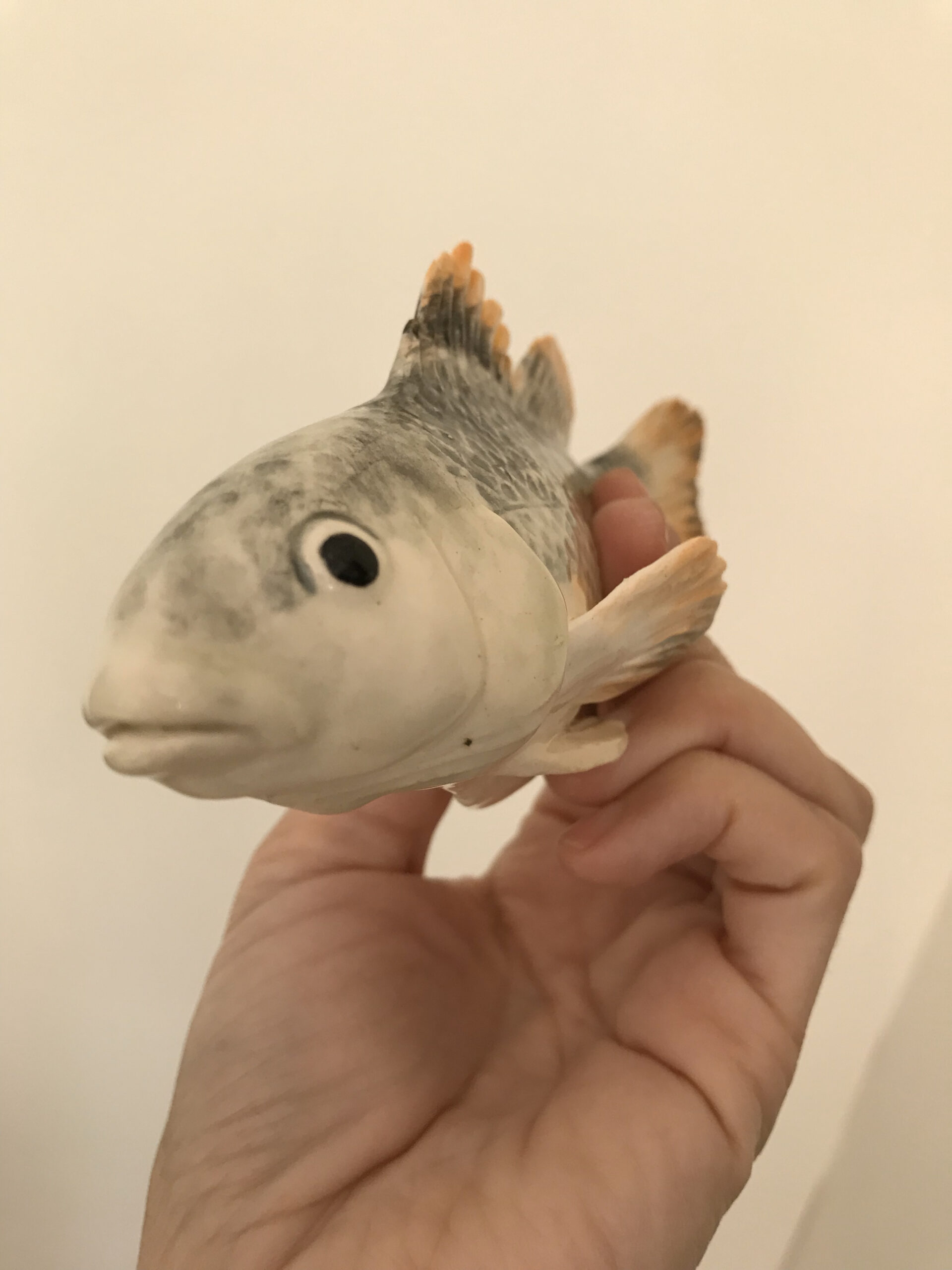
In this exhibition, the sculptor Fernanda Oyarzún undertook this exercise in collaboration with researchers from the Millennium Nucleus INVASAL, whose work focuses on the impact of salmonids in Chile. She joined them in the field, attended their talks, explored the literature, and observed specimens, ultimately rendering both native and introduced fish species in sculptural ceramics, with particular attention to the unique taxonomic features that distinguish each one.
The choice of material is not accidental. Ceramic is fragile; it echoes the fragility of life itself and invites us to reflect on our capacity to influence the fate of these beings.