Ilo

Ceramic Practices, Geomorphology and the Sea (2024)

The project, “Ceramic Practices, Geomorphology, and the Sea: an Artistic Research and Transdisciplinary Exchange Residency in the Aniene River Basin, Italy,” was carried out as part of a residency between December 2023 and March 2024 within LaValle, “International Festival of Artistic Research, Public Art, and Community-Engaged Practices”, organized by L’Aquila Reale, Centro d’Arte e Natura.

During this time I deepened a process of cultural exchange, collaborative work, and artistic research through ceramics, exploring co-creation and the dialogue between arts and science.

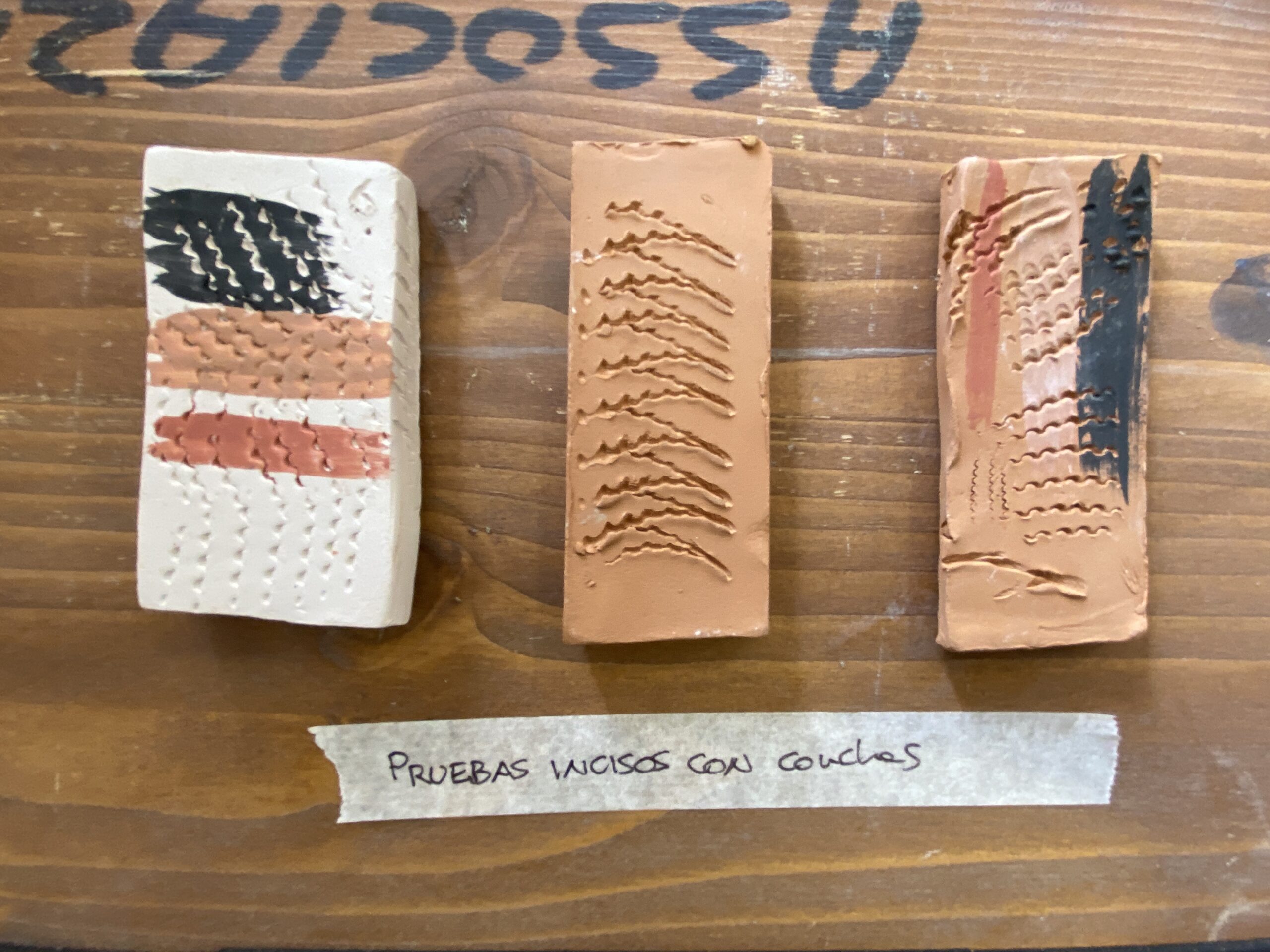
The residency sought to expand my artistic-scientific practice in sculptural ceramics through an encounter with the Neolithic marine paleolandscape of central Italy. I explored ceramic traditions from Neolithic cardial ceramics and classical antiquity to contemporary practices, while also looking at how clays are used scientifically to trace heavy-metal contamination and reconstruct past oceanographic currents.

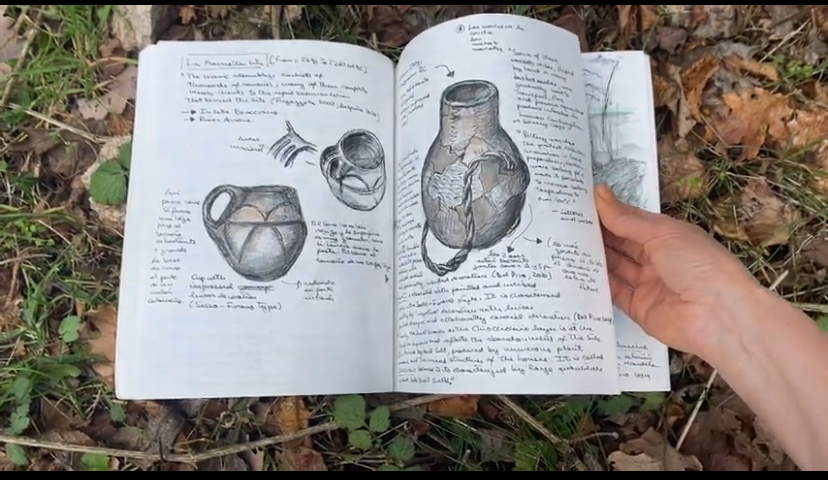
The work unfolded through a series of actions: research in archives, museums, and laboratories; field exploration along the Aniene River basin, visiting archaeological sites, natural parks, and clay deposits; conversations with artists and scientists within the festival; and an art-science workshop with a local community centered on clay and ceramics, which generated a visual and haptic research journal as well as an exploratory body of ceramic sculptures.

Upon returning to Chile, the research was also shared through activities at two schools located in coastal villages.

Artistic actions

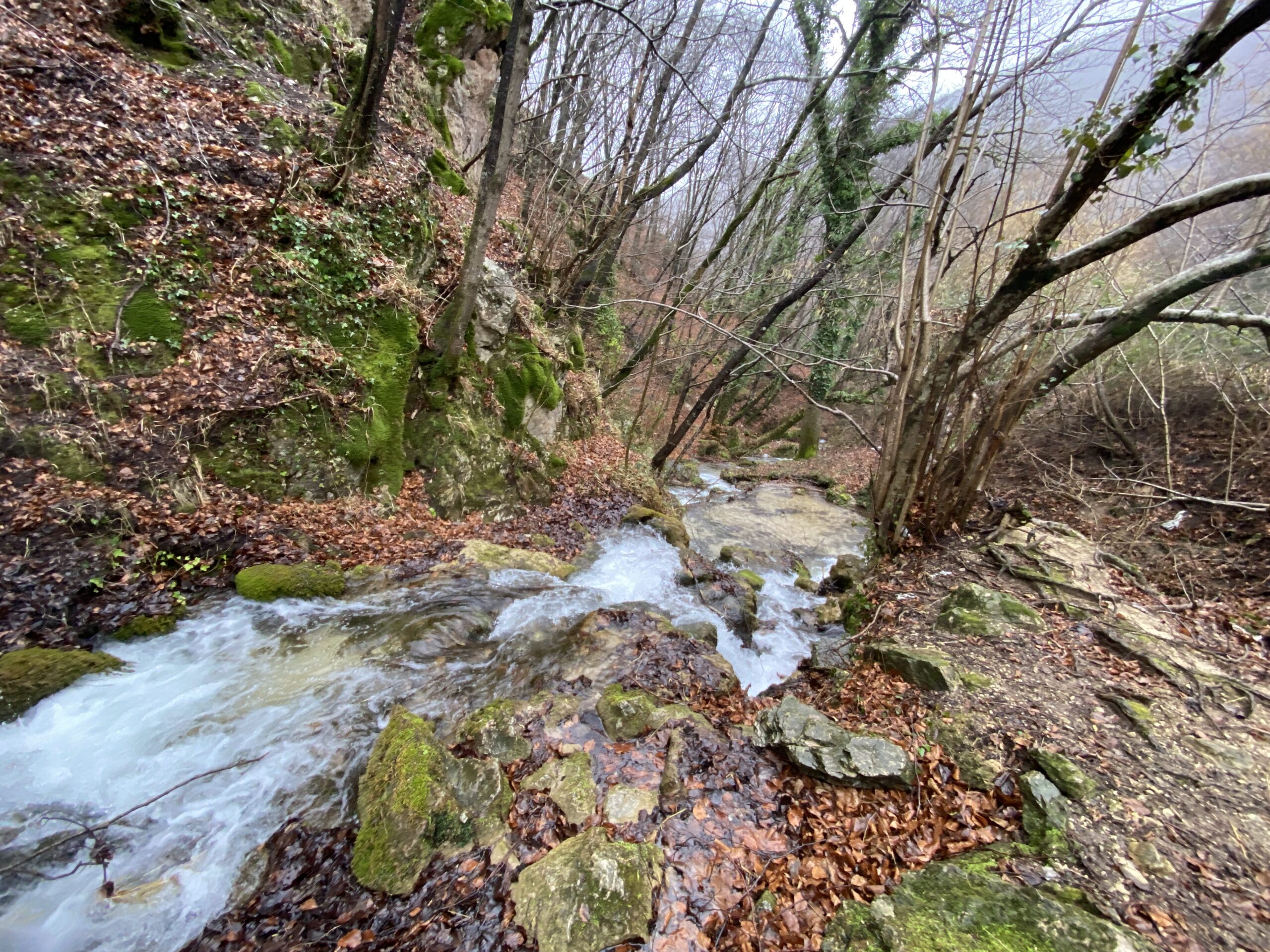
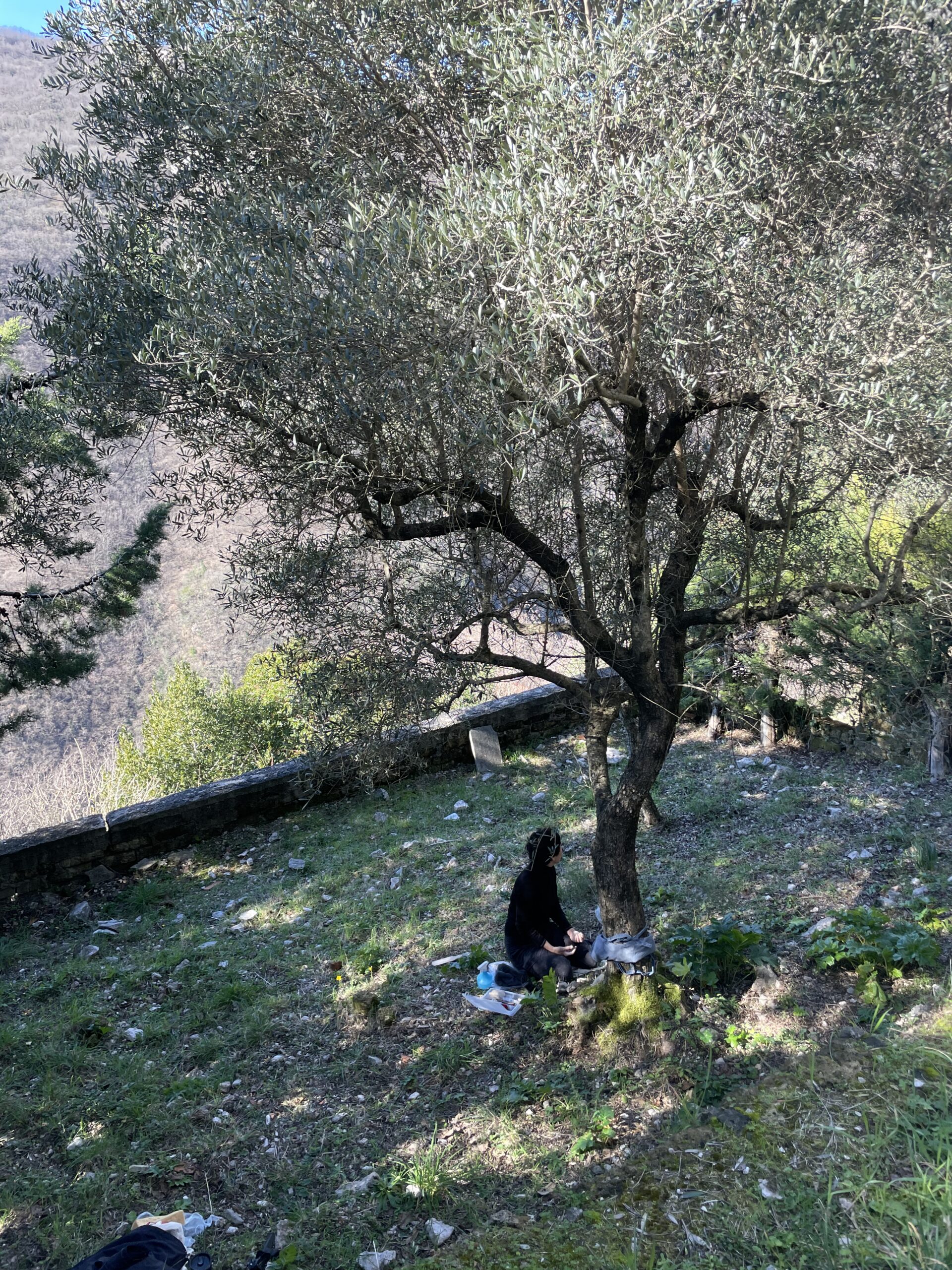
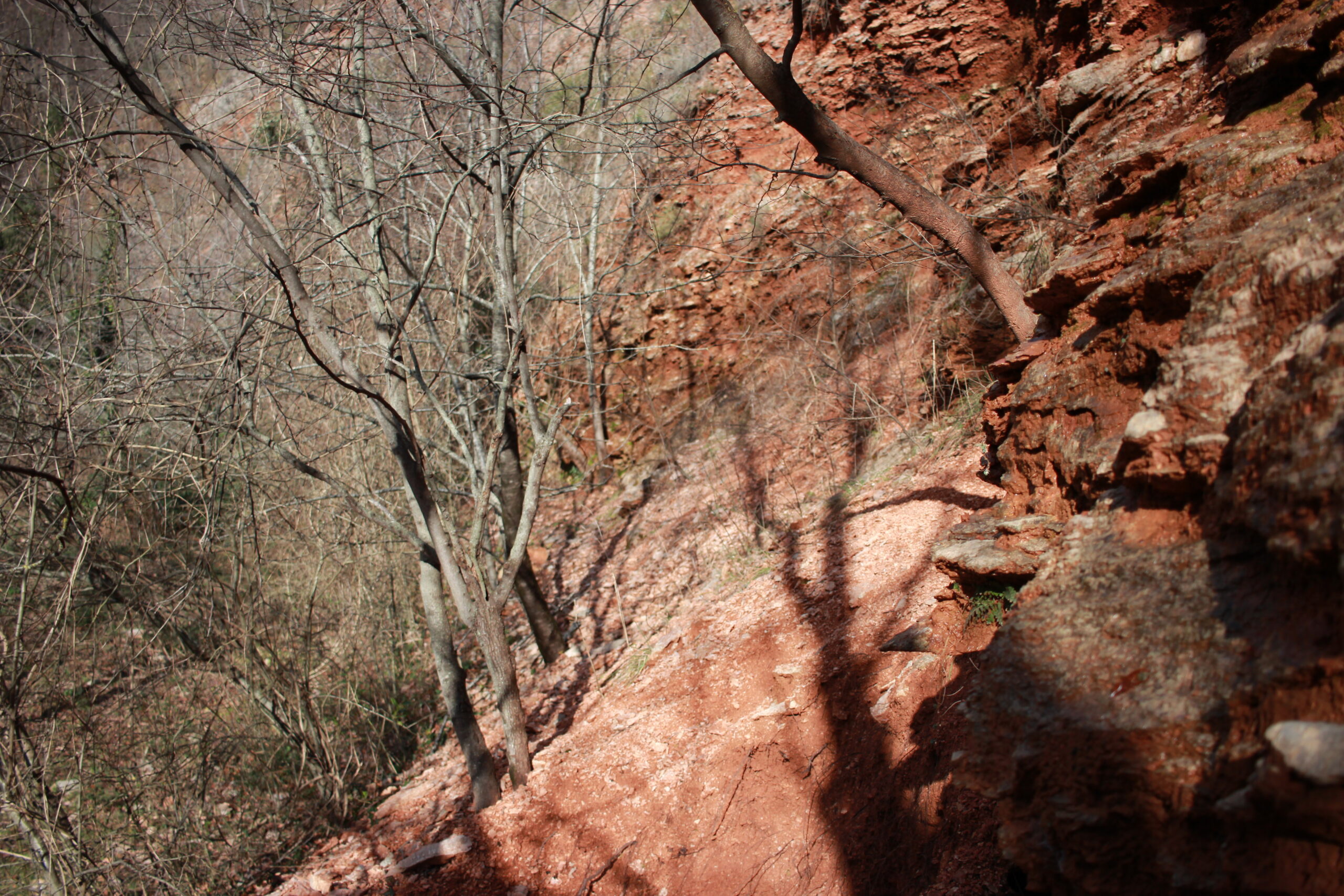
I traced a research route through the natural territory around Civitella, exploring it through artistic actions with clay.

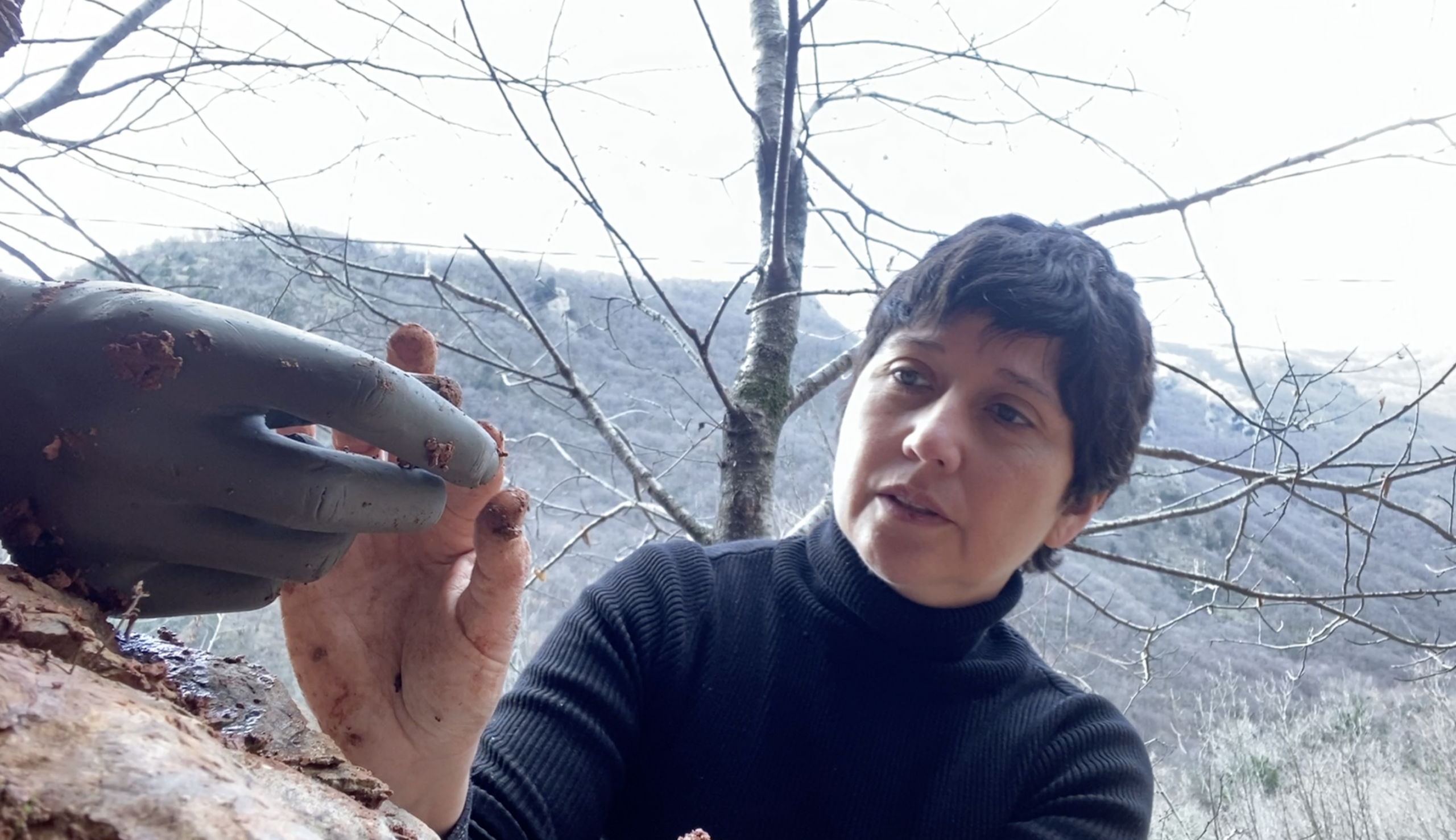
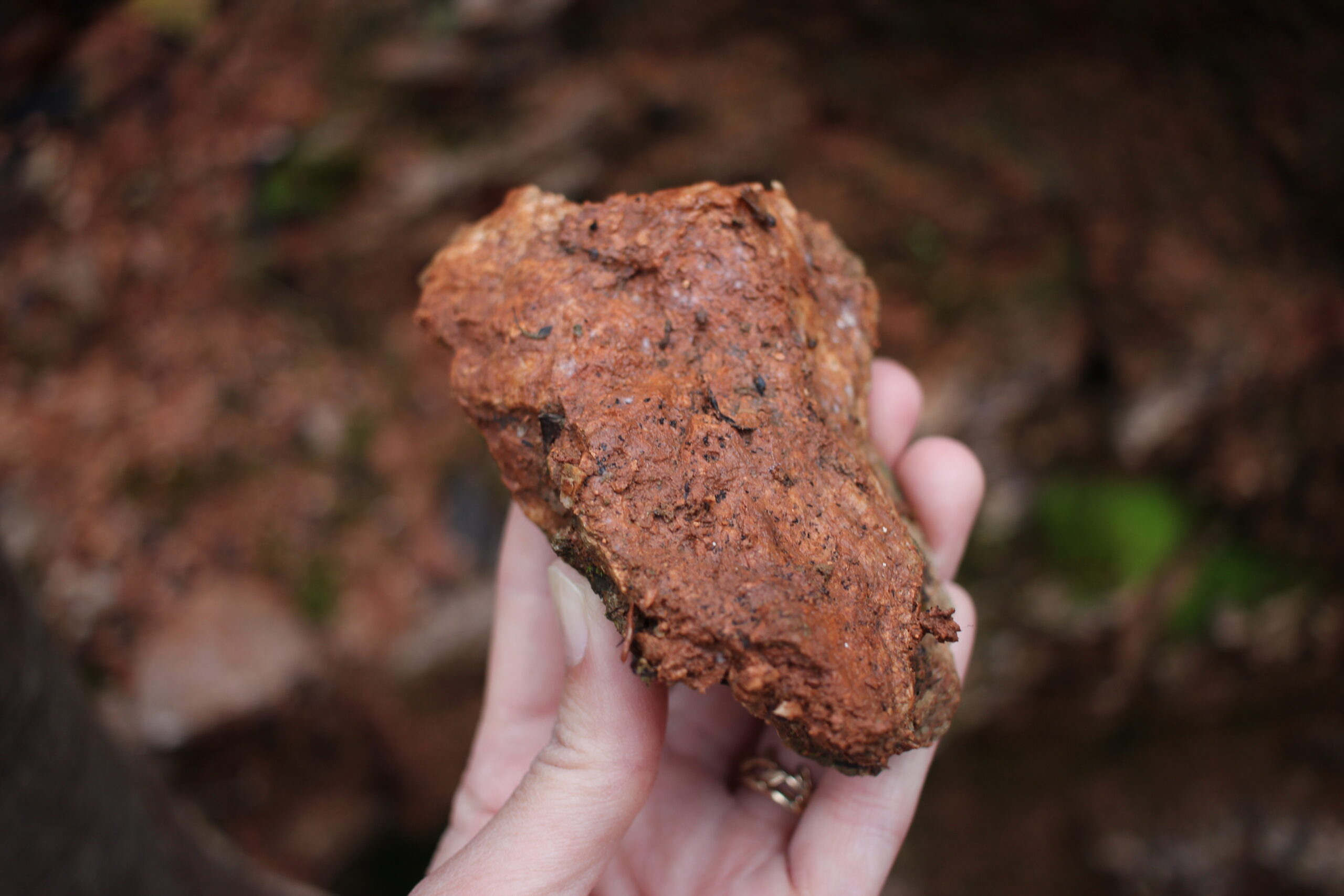
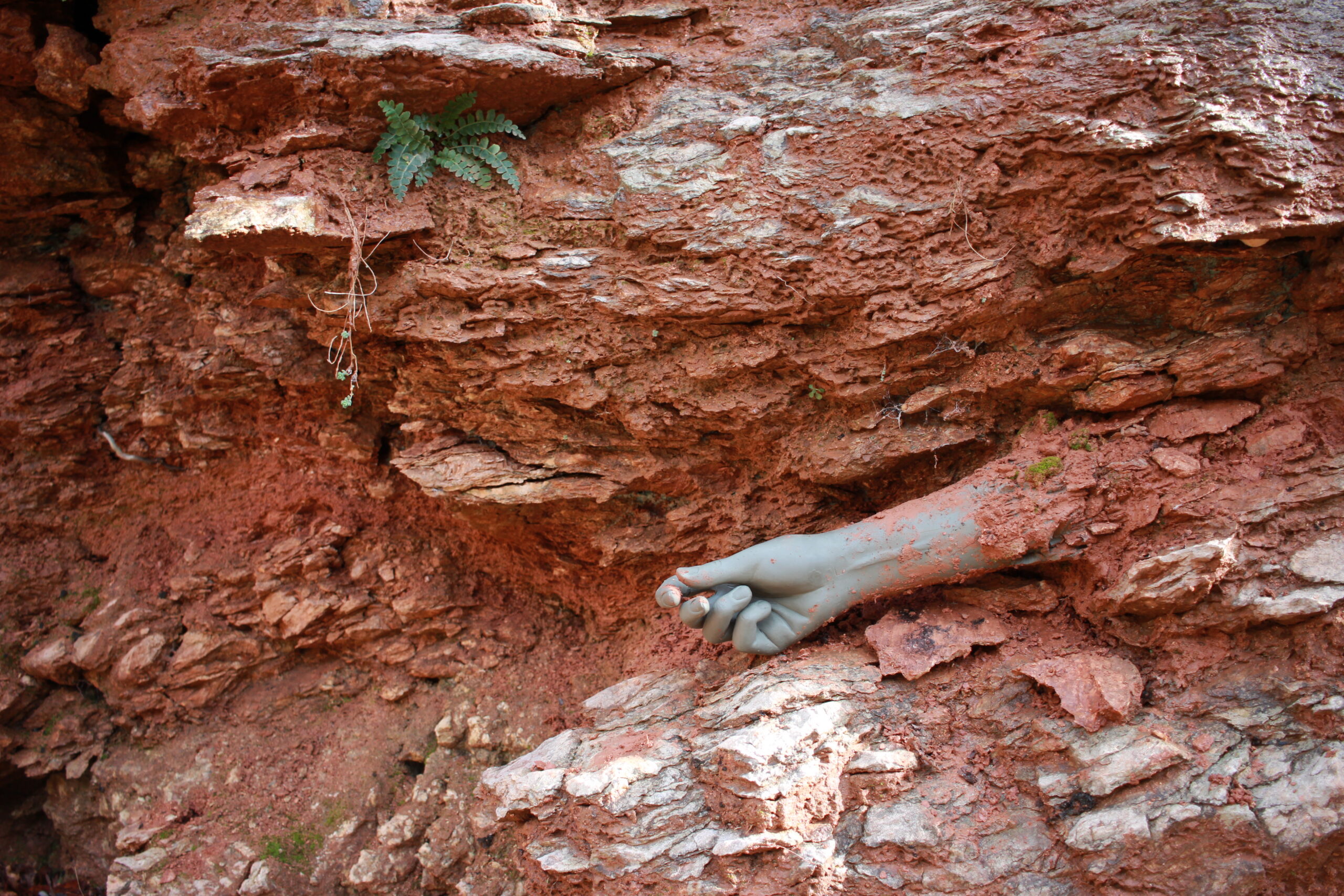
Near the Museo dell’Aquila Reale I encountered the clay vein that became central to my work. From this place I carried out explorations and scientific measurements of the clay. The data are currently pending processing at the University of Edinburgh, in collaboration with paleo-oceanographer Dharma Reyes.

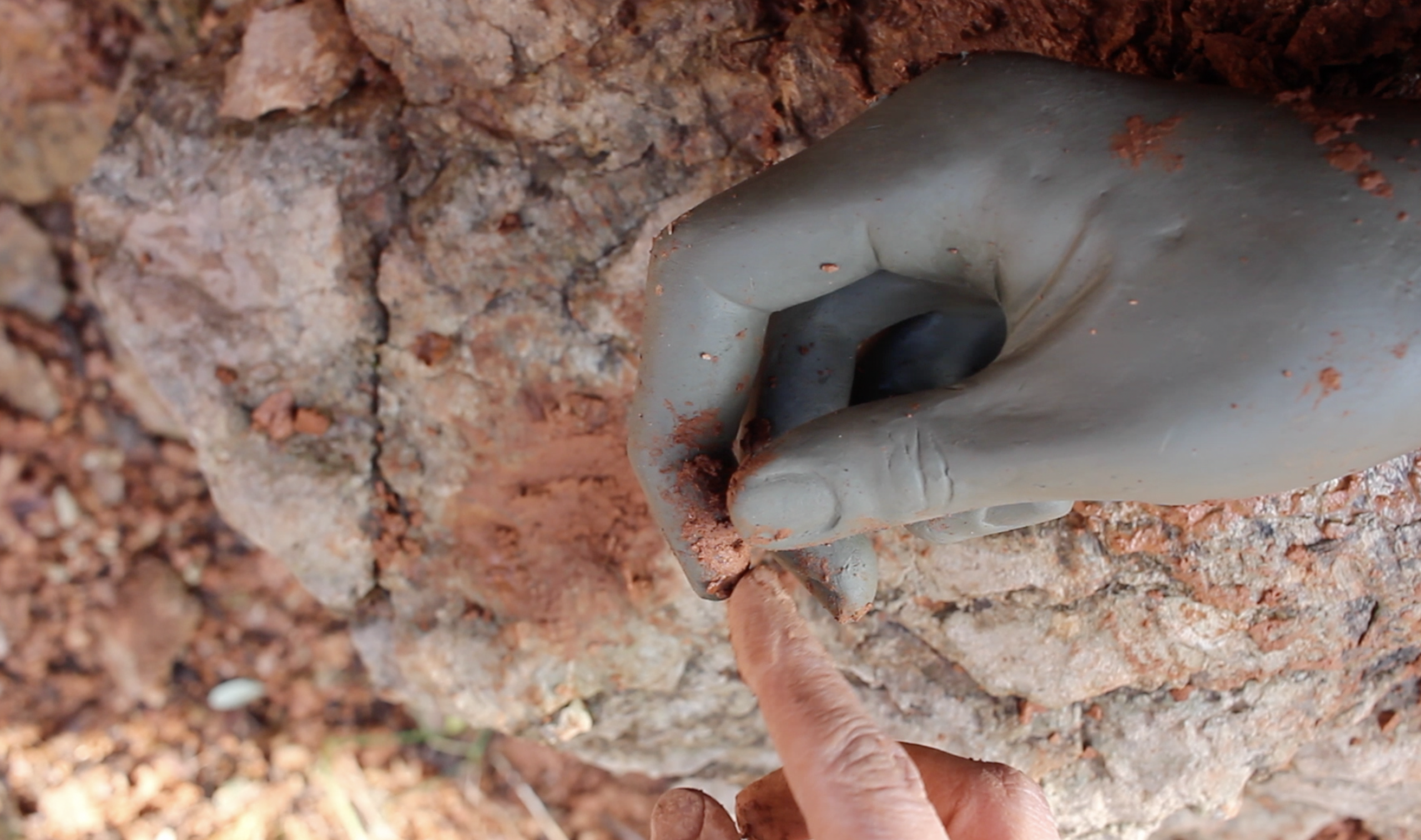
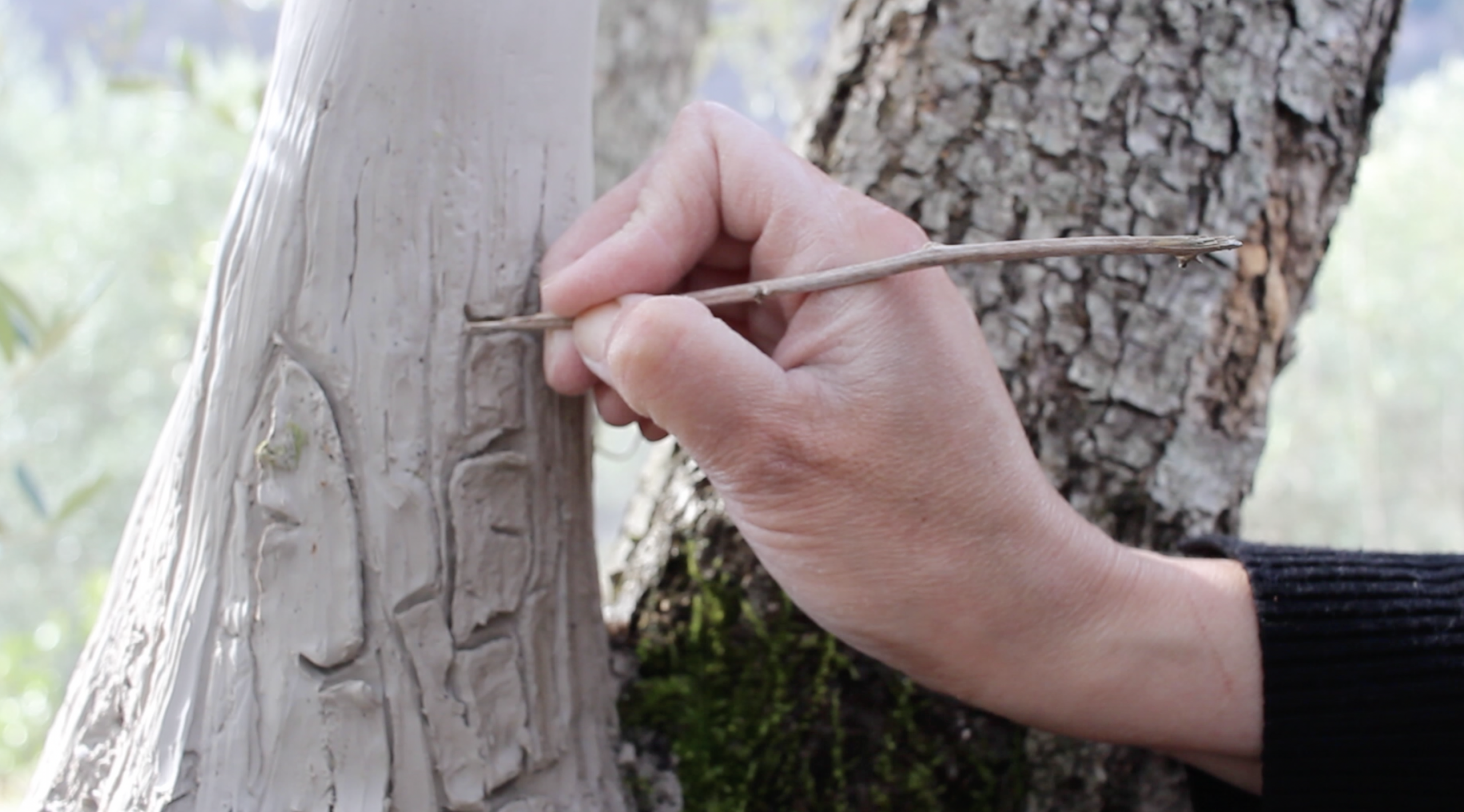
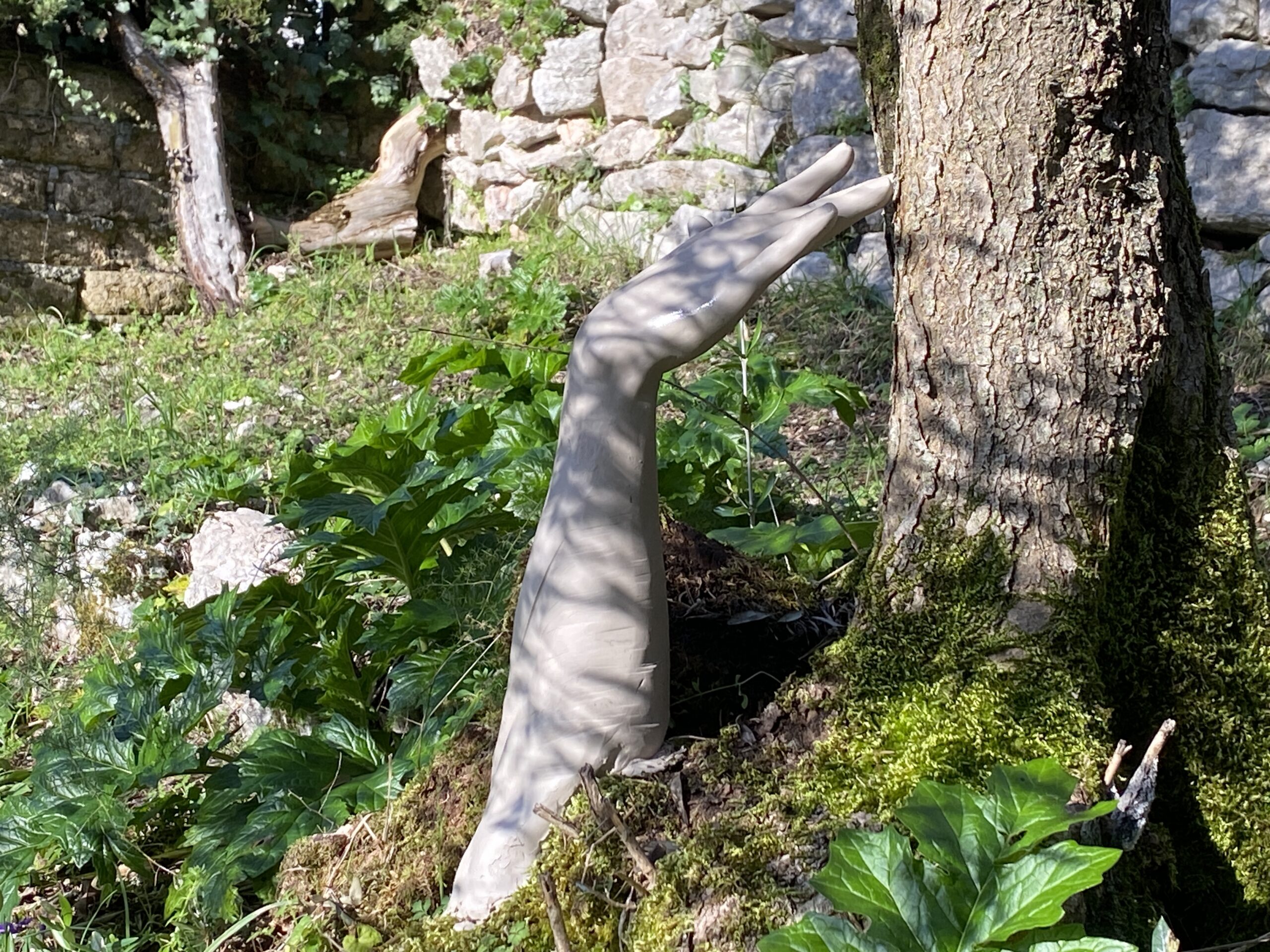
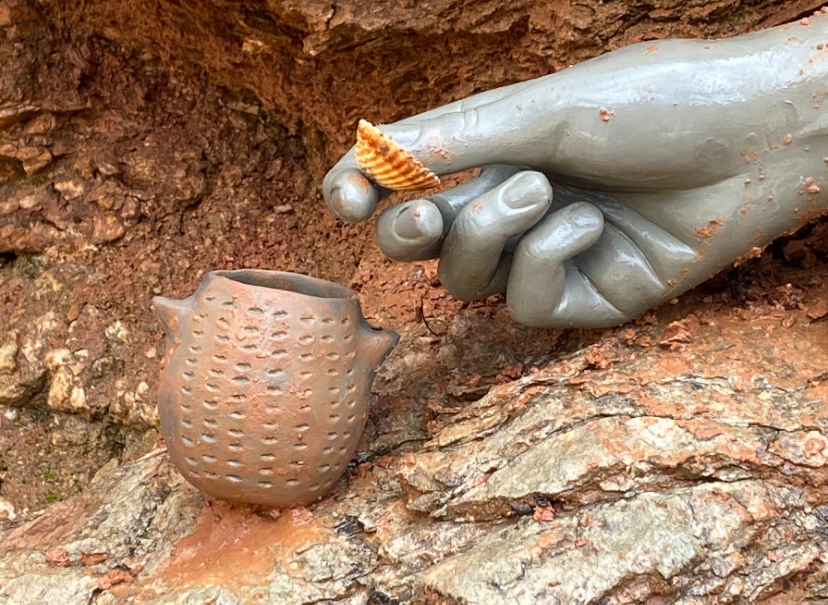
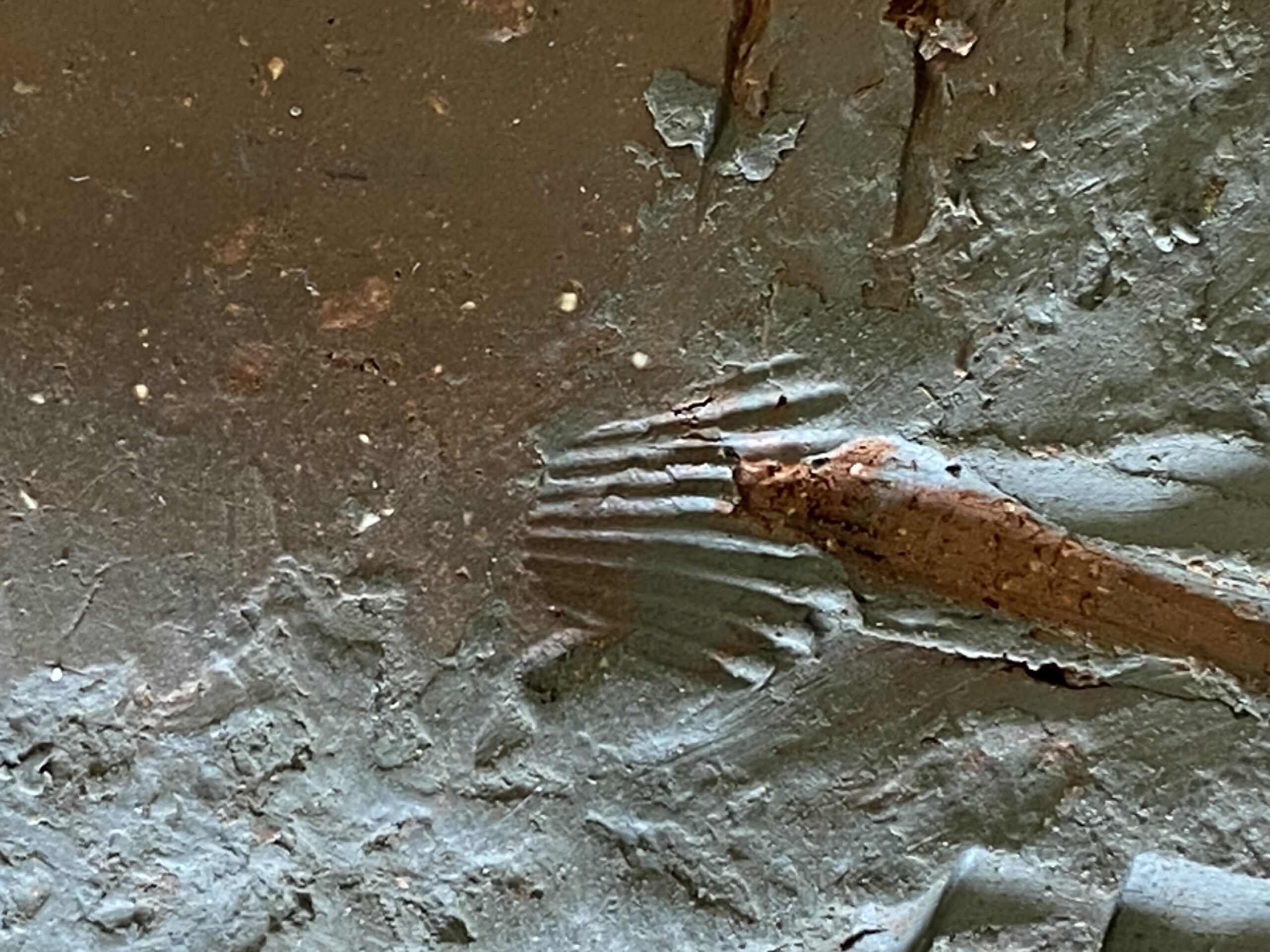
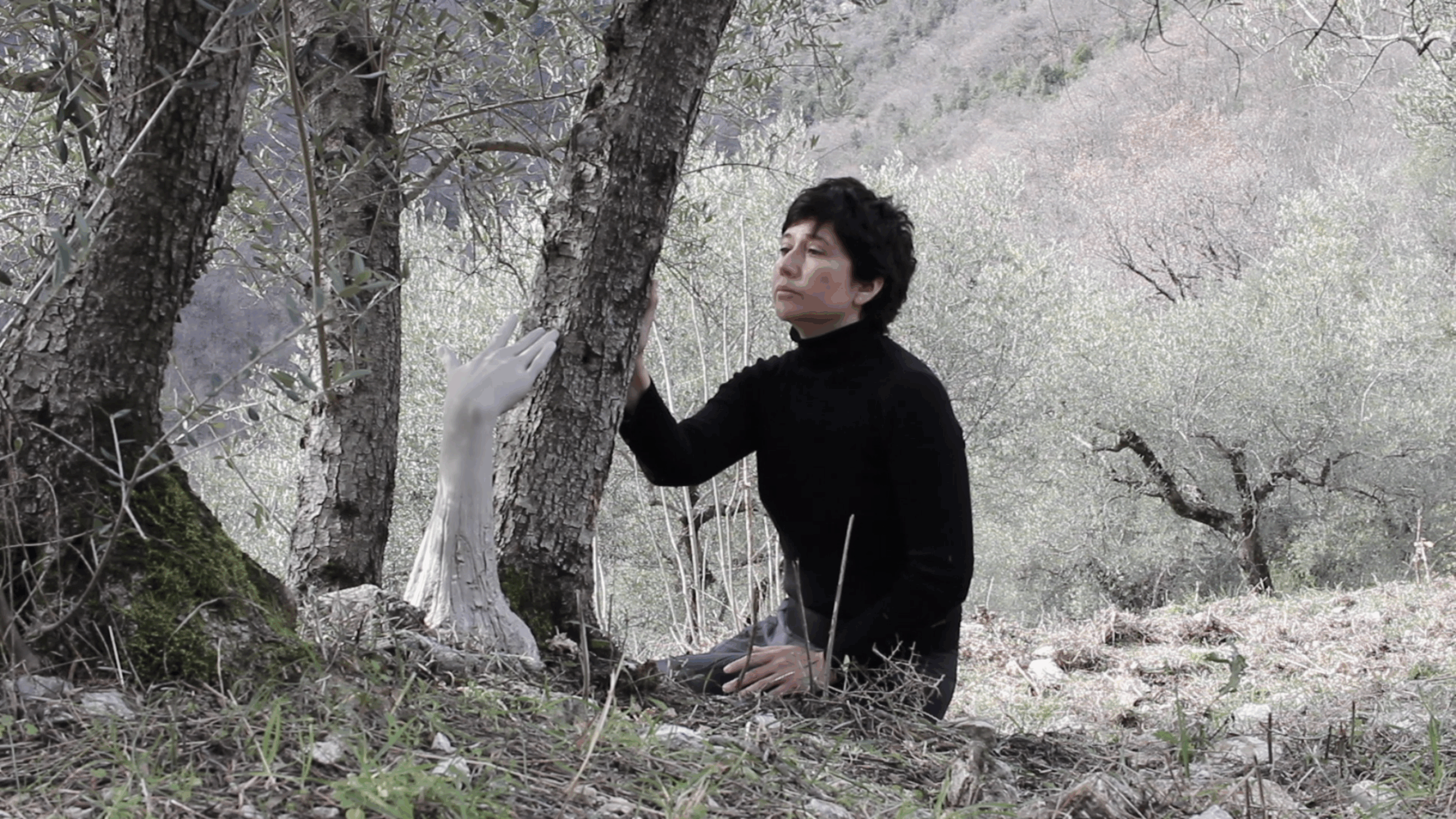
From this same ground, I developed two artistic actions with clay, documented audiovisually. These gestures move through ideas of embodied knowledge and through the long memory of cardial ceramics. They are shaped by the calcium carbonate held in the clay, traces of shells from the ancient marine paleolandscape that once covered this valley. In their making, they also touch the surrounding olive groves and the quiet persistence of the human gesture passing through the landscape.
Situated and process-based work

Lorem ipsum dolor sit amet, consectetur adipiscing elit. Ut elit tellus, luctus nec ullamcorper mattis, pulvinar dapibus leo.

Open Studio, at Civitella

On March 2, 2024, toward the end of the residency, we opened our studios and shared our process with the community, creating a space to reflect on what we had learned.

Arts + Science Workshop at the Museo dell’Aquila reale MusAQ

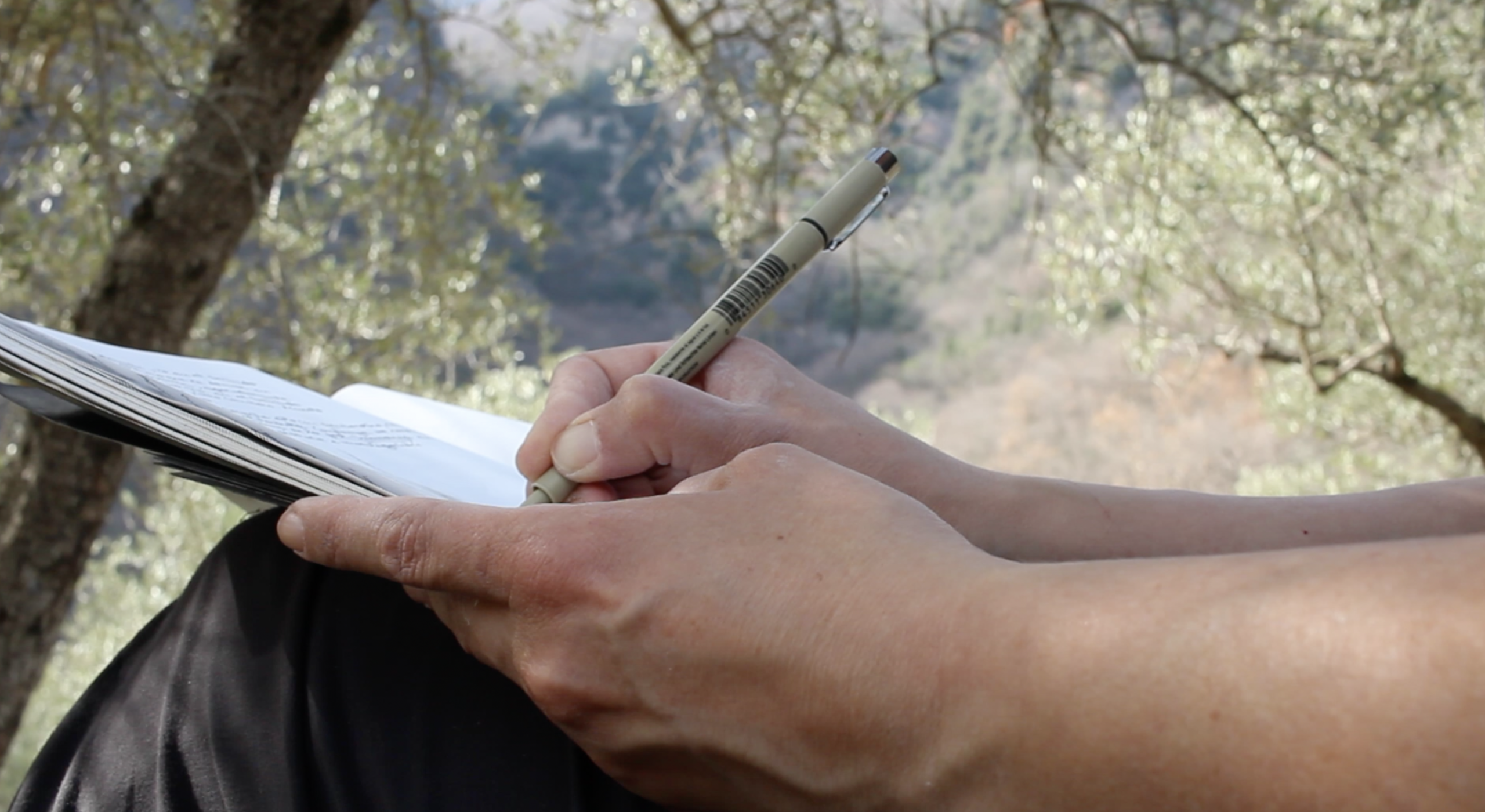
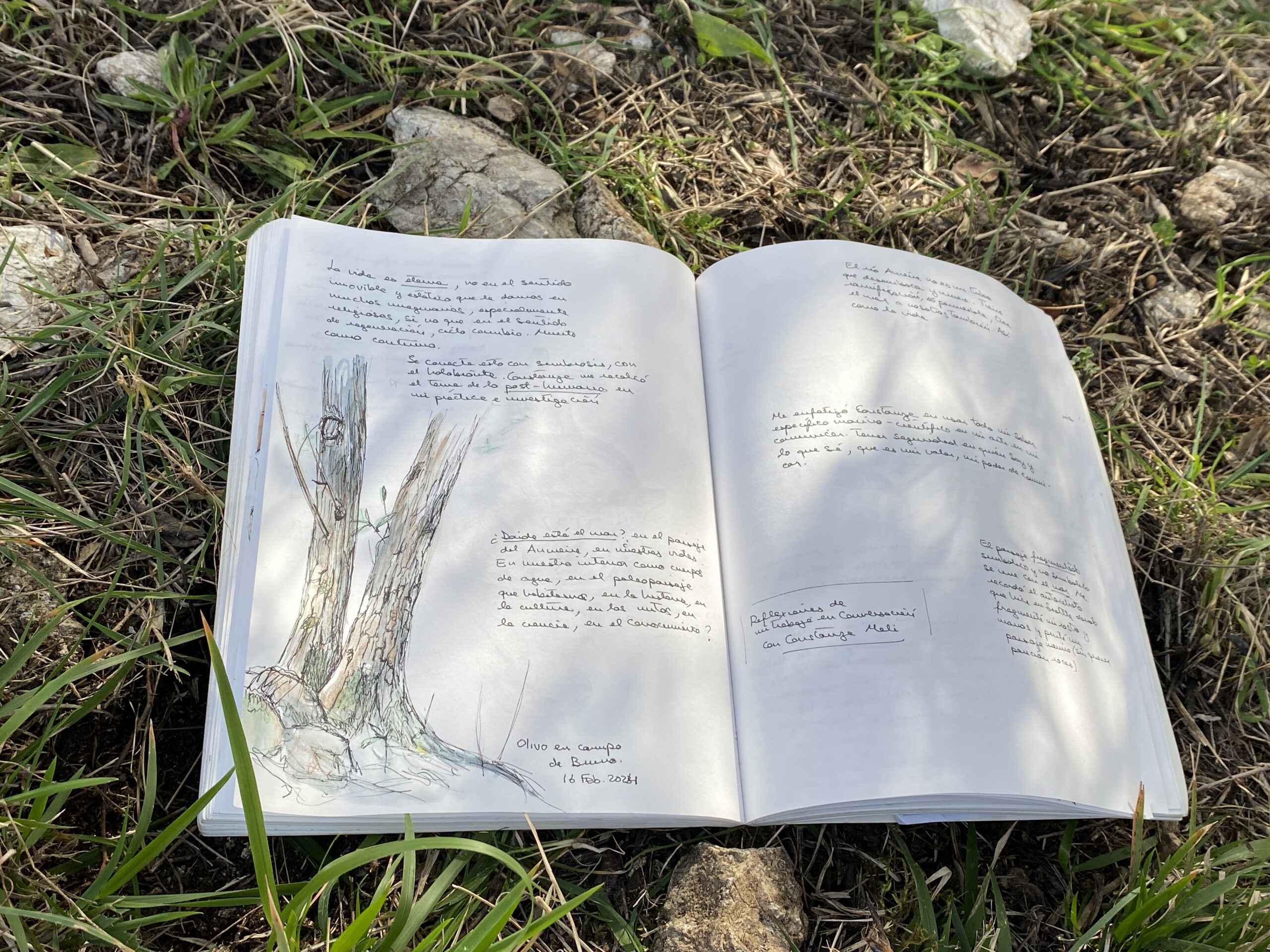
I led an art–science workshop focused on clay and ceramics as archive, memory, and materiality, and on their connection with our imaginaries of the marine paleolandscape of the Aniene valley. During the talk, I shared my research work along with the visual and haptic journal of this process.

A practical activity of scientific monitoring was also carried out within the installation of the artist Claudia Müller, which at that moment was on view at the Museo dell’Aquila Reale. With the artist’s permission, measurements were taken in the water circulating through her installation.

Sharing the Research with the Community of Tongoy, Chile

Projects weave into one another. They travel across time and latitudes. Clay, generous and abundant, moves through new and old collaborations. In June 2024, after returning to Chile, I shared with teachers from Carmen Rodríguez High School in Tongoy the research process behind my Fondart project “Ceramic Practices, Geomorphology, and the Sea: an Artistic Research and Transdisciplinary Exchange Residency in the Aniene River Basin, Italy,” carried out at L’Aquila Reale Arte e Natura.

Since 2018, through the Coastal Social-Ecological Millennium Institute (SECOS), we have collaborated with teachers and students from this school, alongside artists and scientists, in interdisciplinary initiatives that continue to grow in creativity, commitment, and material exploration. Each encounter with this group of teachers renews my sense of what education can hold. That year, at their request, we began exploring local clays together. A new sharing of processes and methodologies began, weaving ancestral, traditional, and scientific knowledge.

Acknowledgments

Thanks for the generous time, support, and collaboration of Francisco Navarrete, Andrés Cordero, Cristian Canales, Dharma Reyes, Ángela Castillo, Constanza Meli, Claudia Müller, Sofía Nercasseau, Francisco Marín, Carla Bolgeri, Kena Kokaly, and Javiera Assenjo. Also, thanks to the Ministry of Cultures, the Arts and Heritage of Chile for the funding through the 2023 Convocatoria. Folio 687991.